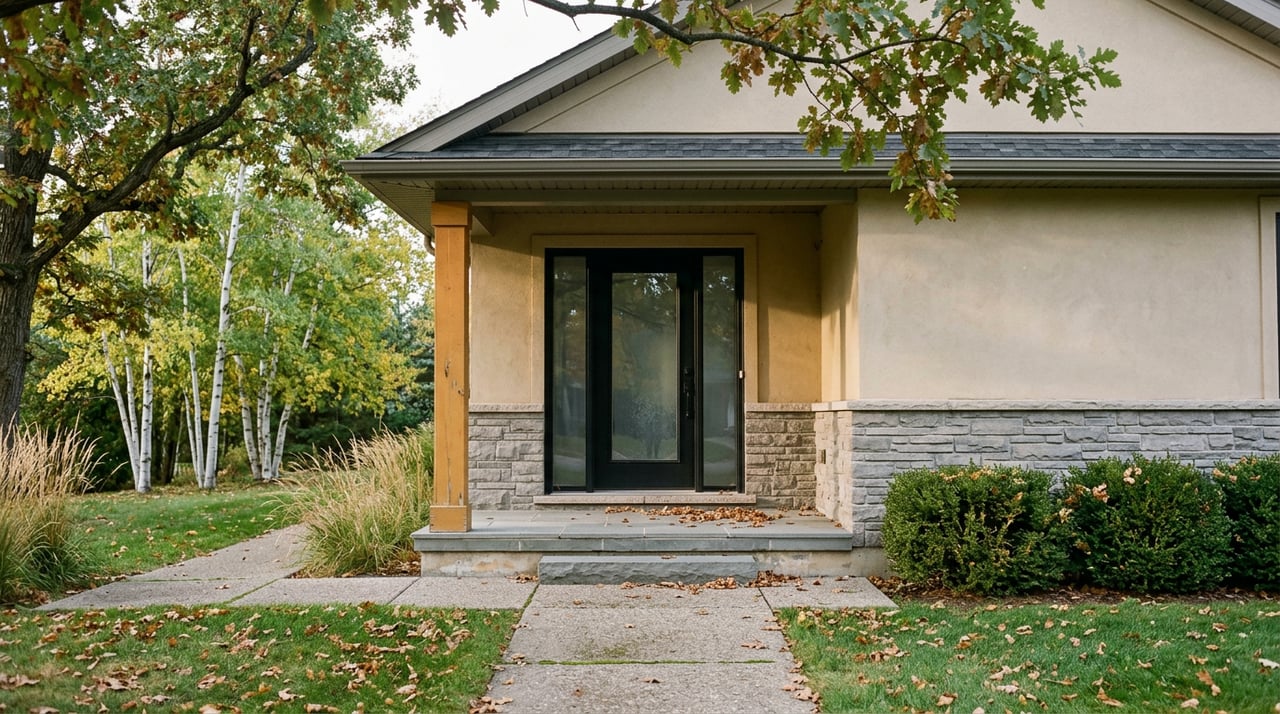
Why Two Highlands Ranch Homes at the Same Price Can Cost Very Different Amounts to Own
September 17, 2026
September 17, 2026
A buyer moving in from out of state sits down for closing on a Highlands Ranch listing, contract signed, inspection cleared, financing locked. Then the resale certificate lands on the table and there are two dues lines instead of one: a quarterly charge to the Highlands Ranch Community Association, and a separate, smaller charge to a neighborhood sub-association nobody mentioned during the showing. Neither number was on the listing sheet. Neither number showed up in any portal search the buyer ran before making an offer.
This is not a scam or an oversight. It is simply how Highlands Ranch is built, and it explains something the median price cannot: why two houses priced identically can carry noticeably different monthly obligations depending on which pocket of the community they sit in.
As of August 2026, the median list price for a Highlands Ranch home sat at $719,000. Trailing three-month sale-price measures from earlier in the year ran a bit lower, generally in the $680,000 to $715,000 range, and price per square foot was still running slightly below where it sat a year earlier. Every version of the number tells the same story: a market that has cooled modestly year over year but continues to hold close to $700,000, and that number is a fine one for sizing up affordability at a glance.
What it does not tell you is what you are actually paying for. A median price is a purchase number. It says nothing about the recurring, mandatory costs that come attached to nearly every parcel in the community, and those costs are not small enough to round to zero.
The Highlands Ranch Community Association publishes its budget every year, and the 2026 numbers are specific. Total homeowner assessments rose by $12, a 1.75 percent increase, bringing the total quarterly assessment to $174 for most residential owners. That works out to roughly $696 a year, billed regardless of whether you ever set foot in a pool or on a trail.
What that assessment buys is real and it is community-wide: membership at four recreation centers spread across the community, maintenance of the trail network, access to the 8,200-acre Backcountry Wilderness Area, and a calendar of community programming that runs through venues like Civic Green Park. The centers themselves have distinct personalities that longtime residents will recognize immediately. The oldest of the four retains a classic athletic-club feel, having been the first one built when the community was young. Others lean harder into family water-play and outdoor recreation, reflecting the parts of Highlands Ranch built out closer to Chatfield and the Backcountry.
That $174 a quarter is the one number you can look up in writing before you ever call an agent. It is also, for most buyers, only half the bill.
Most parcels in Highlands Ranch sit inside a second, smaller HOA layer on top of HRCA: a neighborhood or sub-association that handles the things HRCA does not touch. That can mean private street landscaping, snow removal on internal roads, or a neighborhood pool that is not one of HRCA's four flagship centers. In gated sections with their own clubhouse and resort-style pool, the sub-association is funding a private amenity system that runs parallel to, not instead of, HRCA membership.
Here is the part that actually matters for comparing two listings: the size and structure of that second layer varies enormously by section, and it has almost nothing to do with the home's list price. A property in one of the community's original, mature-tree sections built out in the 1990s might carry a modest sub-association fee that covers little beyond common-area landscaping. A property of similar size and price in a newer gated section can carry a sub-association funding private security, a clubhouse, and a resort-style pool on top of the HRCA assessment every owner already pays.
| Layer | Who charges it | What it typically funds | Where to verify it |
|---|---|---|---|
| Master assessment | HRCA | Four recreation centers, trails, Backcountry Wilderness access, community events | HRCA's published annual budget |
| Sub-association | Neighborhood-specific | Varies: private roads, landscaping, gated entry, a private pool or clubhouse | Recorded CC&Rs and the resale certificate for that address |
Two homes can list at the same price and close with monthly carrying costs that look nothing alike once that second layer is added in. That is the piece the citywide median cannot show you, because a median blends every layer into one number and reports only the price.
Colorado's Common Interest Ownership Act requires that any home sale inside an HOA come with a resale certificate: a document generated by the association that spells out current assessments, upcoming budget changes, reserve fund status, and any special assessment already on the books. This is the actual source of truth for what you will owe, and it exists specifically because portal listings and even MLS remarks are not required to disclose it in full.
For a Highlands Ranch buyer, that means the two-layer question, how much is HRCA, how much is the sub-association, and is there anything unusual pending, gets answered definitively at this stage rather than guessed at during a showing. It is worth requesting both the HRCA resale certificate and the sub-association's certificate separately if the property carries both, since they are produced by two different entities on two different timelines.
There is a second friction point worth flagging before you write an offer. HRCA enforces architectural standards through its Architectural Review Committee, and any exterior change, a new patio, a repainted exterior, a replaced fence, is supposed to go through that committee before it happens. If a previous owner made a change without approval, that noncompliance does not disappear at closing. It can transfer to the new owner along with the property, meaning a buyer can inherit someone else's unapproved patio and the obligation to bring it into compliance or remove it.
This is exactly the kind of detail a title search will not catch and a listing photo will not reveal. It shows up only if someone checks the architectural file during due diligence, which is a habit worth building into any Highlands Ranch offer regardless of how clean the home looks in person.
If you are cross-shopping Highlands Ranch against other south-metro suburbs, the honest comparison is not median price against median price. It is total monthly carrying cost against total monthly carrying cost, with the HRCA assessment as a fixed floor and the sub-association as the variable that swings depending on which section you are looking at. A neighboring suburb that looks cheaper on paper might carry a single, simpler HOA structure, while a comparably priced Highlands Ranch home carries two layers that add up to a similar or higher effective monthly cost once both are included.
None of this makes Highlands Ranch a worse buy. The amenity system that HRCA funds, four full recreation centers, 70 miles of trails, direct access to a wilderness area most municipalities could never replicate, is a real and differentiated asset that a lot of other Denver suburbs simply do not offer at any price. The point is that the value only shows up clearly once you look past the median and into the fee structure attached to the specific address you are considering.
Is HRCA membership optional? No. It is mandatory for nearly every residential property in Highlands Ranch, and it comes attached to the deed, not to a choice you make after closing.
Does a lower sub-association fee mean less access to amenities? No. HRCA membership, and access to all four recreation centers, is separate from whatever the sub-association charges. A lower sub-HOA does not shrink your HRCA benefits.
How do I find the total dues for a specific address before I make an offer? Ask for both the HRCA resale certificate and, if the property has one, the sub-association's resale certificate. Between the two, you will have the full recurring cost picture, not an estimate.
Are HRCA dues likely to keep rising? The association's own budget language over the past several years has framed increases as modest and gradual rather than sudden, with the 2026 increase landing at 1.75 percent. Past patterns are not a guarantee of future ones, but the trend has not been volatile.
If you are weighing a Highlands Ranch purchase against other south-metro options and want the real math on what a specific address will cost to carry, not just to buy, that is exactly the kind of groundwork Whitney Cain walks clients through before an offer ever gets written. Let's Connect.
This article is general information, not legal, tax or financial advice. Consult a qualified professional about your situation.
Stay up to date on the latest real estate trends.
Etiam non quam lacus suspendisse faucibus interdum. Orci ac auctor augue mauris augue neque. Bibendum at varius vel pharetra. Viverra orci sagittis eu volutpat.