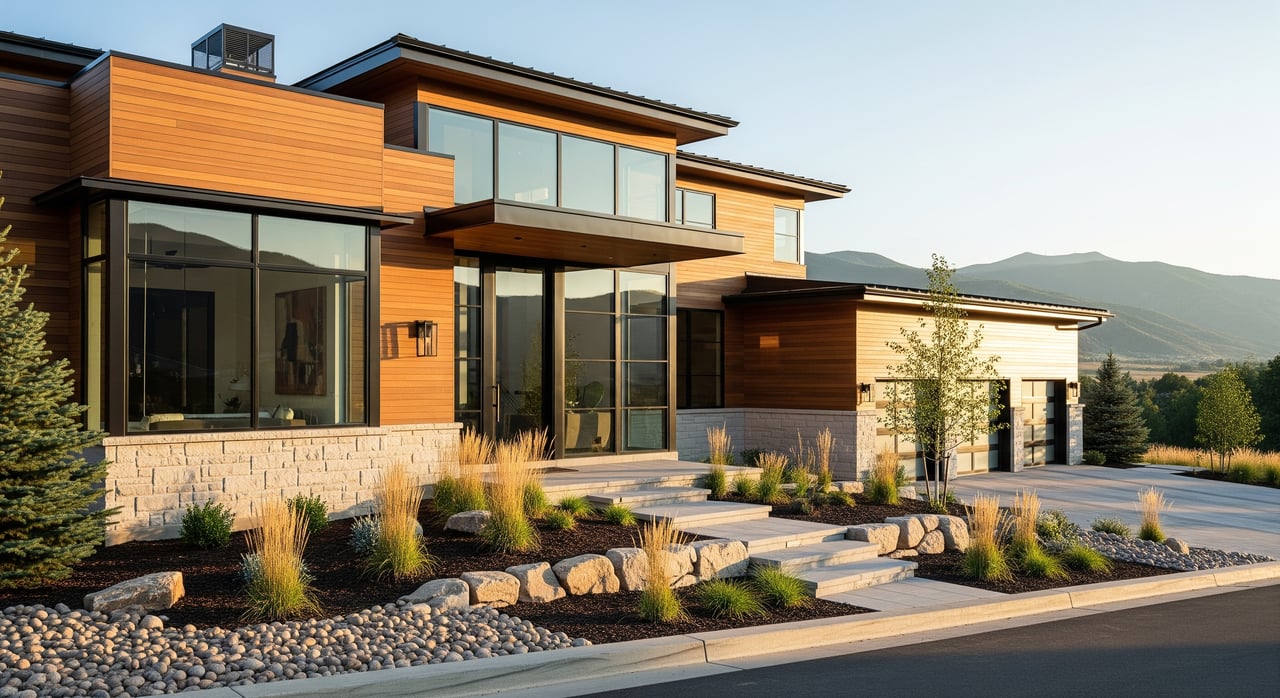
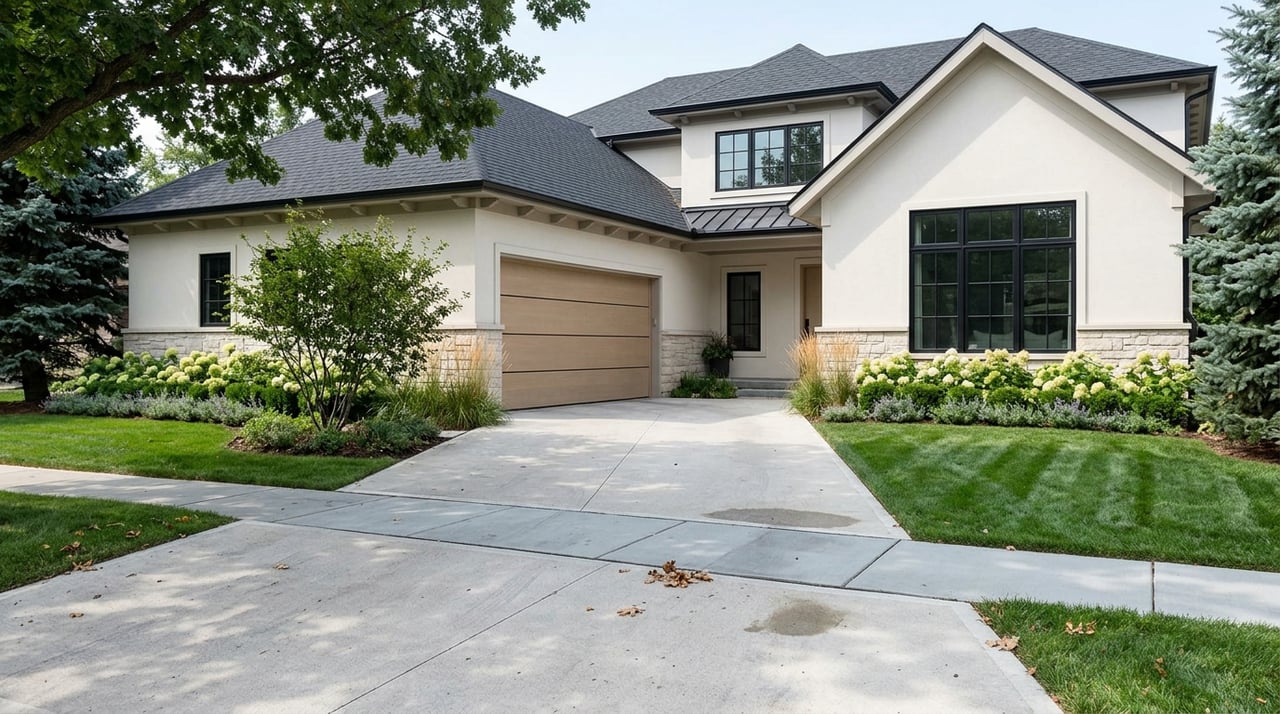
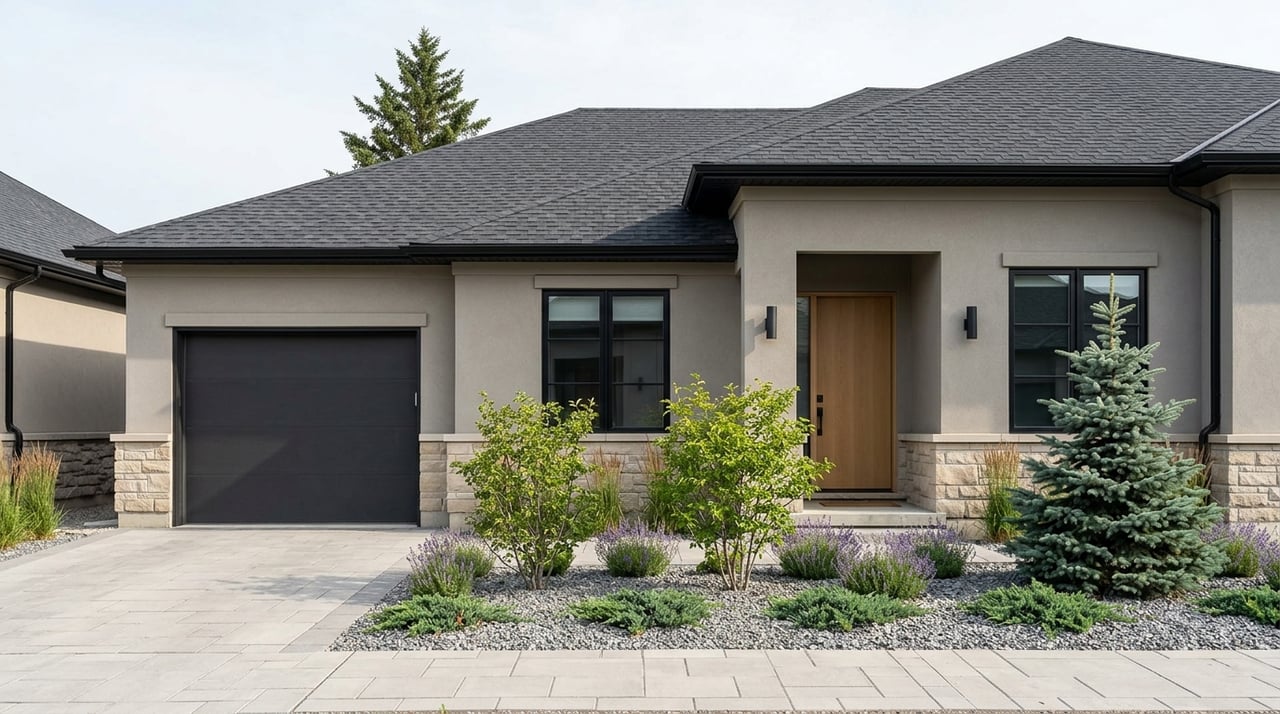
Are you worried about leaving money on the table when you price your luxury home in Centennial’s 80015? You are not alone. In the upper tier, the right list price protects your days on market and your negotiating power. In this guide, you will learn proven pricing frameworks and a practical plan tailored to 80015 so you can launch with confidence and sell well. Let’s dive in.
What counts as luxury in 80015
Luxury does not have a single fixed price. You can define it as the top 5 to 10 percent of sales within 80015 or the broader Denver metro, which is the most reliable way to assess where your home sits in the market. Some brokers also use absolute thresholds like 1 million or 1.5 million dollars in the Denver suburbs.
For your home, confirm the current top-percentile price using MLS data at the time you list. In 80015, upper-tier demand is shaped by proximity to the Denver Tech Center, E-470 access, and established neighborhoods with larger lots and desirable amenities. Scarcity of view lots, custom builds, and high-end renovations supports stronger pricing versus typical resale inventory.
Three pricing frameworks that work
Anchoring: set the reference point
Anchoring is choosing the first price buyers see, which becomes the reference for perceived value. In luxury, that first impression is amplified by professional media and early broker attention. A strong anchor is realistic, supported by curated comparable sales, and paired with a clear narrative that explains the premium.
How to apply it in 80015:
- Build a small set of truly comparable sales with similar lot, finish, and upgrades, verified in the local MLS.
- Support your anchor with a professional valuation or a detailed broker pricing opinion, plus a clear story about renovations, systems, views, and outdoor living.
- Avoid over-anchoring. Overpricing can extend days on market and reduce your leverage later.
- Be cautious anchoring low. It may drive traffic, but it can cheapen perceived exclusivity and risk underpricing.
Bracketing: price within search bands
Bracketing means pricing at or around common buyer search filters and psychological thresholds, like 999,900 dollars, 1.25 million, 1.5 million, or 2 million. Many high-end buyers still set round-number caps in search tools, so your price band influences visibility.
How to apply it in 80015:
- Decide whether to sit just below a threshold for maximum exposure or just above to reinforce luxury positioning.
- Example: 999,900 dollars increases sub-1 million exposure, while 1,000,500 signals premium placement and may still reach buyers who remove price limits.
- Consider your target audience. For many luxury sellers, preserving a high-end brand matters more than capturing bargain-driven searchers.
Market-positioning: win the comparison
Market-positioning sets price relative to the competition and tells a compelling story. Buyers compare your home to immediate alternatives, so the right narrative sharpens perceived value.
How to apply it in 80015:
- Create micro-market comps. Start with your street or subdivision, then expand thoughtfully if your home is unique or custom.
- Decide if you are best-in-class, a value play, or a niche standout. Show your edge with specifics: recent renovation costs, energy efficiency, smart systems, landscaping, and outdoor rooms.
- If new construction is a competitor, highlight replacement cost and upgrade differentials to justify your price.
- Back the story with a professional appraisal or a rigorous MLS-based analysis for buyers and cooperating brokers.
Local factors that move the needle
Scarcity and lot premiums
In established Centennial neighborhoods, larger or view-oriented lots, cul-de-sac locations, and custom finishes are rare. This scarcity supports higher price per square foot than standard resale options. Document the premium with photos, drone imagery, and a features list that ties back to value.
Comparable selection and adjustments
Upper-tier comps often require non-linear adjustments. Mountain views, outdoor living spaces, upgraded mechanicals, and garages or shops can materially affect value. When direct comps are sparse, explain your adjustments clearly in the CMA so buyers and appraisers can follow the logic.
Days on market reality
Luxury homes generally take longer to sell than the median market because the buyer pool is smaller. Homes that are priced fairly relative to true comps tend to sell faster and with fewer concessions. Overpriced listings sit, gather stigma, and often need larger reductions later.
Seasonality and timing
Spring and early summer bring more activity, but high-end buyers shop year-round. Consider school calendars, big local events, and new-construction releases when planning your launch. If interest rates and inventory tilt in your favor at another time, timing can still work with the right strategy.
Marketing that supports the price
High-end marketing is part of the price justification. Use architectural photography, twilight and drone imagery, floor plans, and video tours. Staging matters. For unique homes, provide a narrative brochure and a spec sheet detailing upgrades, systems, warranties, and permits so buyers see the value clearly.
Negotiation levers that protect net
Structure the deal to preserve your proceeds. Pre-list inspections can reduce last-minute price erosion. Flexible closing dates, thoughtful repair strategies, and clear concession limits help bridge gaps without large price cuts. Always factor in carrying costs and consult your tax professional for guidance on capital gains or 1031 exchange options if applicable.
A step-by-step pricing plan for 80015
- Define luxury for your property
- Pull the last 12 months of 80015 sales and compute the top 10 percent threshold. Compare to adjacent ZIPs for context.
- Build a focused CMA
- Use 3 to 6 closed comps from the past 90 to 180 days, plus 3 to 6 active or pending, and a few expired or withdrawn listings to read the market. Note your adjustments and rationale.
- Choose your primary strategy
- Max exposure and speed: controlled anchor with an aggressive bracket to capture more searches.
- Preserve premium brand and net: market-positioning with a justified anchor and elevated marketing.
- Balanced approach: price within a tight band supported by comps and rely on best-in-class presentation.
- Set the list price with a tolerance plan
- Align your list price closely with supported market value. Decide in advance when and how you will adjust if feedback is weak, often at 30 to 45 days.
- Prep for launch
- Complete high-ROI fixes, finalize staging, and order professional media. Gather warranties, permits, and a concise features list to reinforce your price.
- Monitor and adapt
- Track showings, online engagement, feedback, and competing listings weekly. If signals point to overpriced, adjust within your pre-set timeline.
- Negotiate and close strong
- Use comps, pre-inspection findings, and documented upgrades to maintain price. Consider escalation clauses when multiple offers appear.
Choosing your strategy: real-world scenarios
- You want a swift sale before a relocation. Use a confident anchor supported by comps and bracket just below a key threshold to boost exposure. Pair this with high-touch launch marketing to create early momentum.
- You want to protect brand and maximize net. Lead with market-positioning. Price in the premium tier with a tight comp set, then demonstrate value with renovation costs, energy efficiency, and outdoor living. The goal is fewer but better-qualified showings.
- Your home is unique with limited comps. Expand the search radius carefully and quantify adjustments for views, lot size, and custom work. Price to reflect uniqueness, and provide a valuation packet that tells a clear story.
Common mistakes to avoid
- Overpricing at launch. It inflates days on market and weakens your negotiating stance.
- Relying on price per square foot alone. In luxury, quality, lot, and systems often trump size.
- Ignoring micro-markets. Your street or enclave can price differently from the broader ZIP.
- Delaying needed adjustments. If metrics show low interest compared to peers, adjust within your plan.
- Overlooking carrying costs. Calculate monthly costs to understand the real price of waiting.
Bottom line
Pricing a luxury home in Centennial’s 80015 is both science and strategy. When you blend disciplined MLS analysis with smart anchoring, thoughtful bracketing, and deliberate market-positioning, you protect your days on market and your net. If you want a bespoke plan for your home, connect with Whitney Cain for a data-informed pricing strategy and a polished launch.
FAQs
How do I define a luxury price for 80015?
- Use the local MLS to identify the top 5 to 10 percent of sales in 80015, then evaluate where your home fits based on lot, finishes, and upgrades.
Should I price just under 1 million dollars?
- Pricing below a round threshold can boost visibility, but consider whether it undercuts premium positioning for your intended buyer.
How long do luxury homes take to sell in 80015?
- Expect longer timelines than the median market; actual days on market depends on pricing alignment, marketing quality, and competition.
What if my listing gets little activity in the first two weeks?
- Evaluate showings, feedback, and comparable activity, then follow your pre-set plan to adjust after 30 to 45 days if needed.
How can I justify a premium price to buyers?
- Pair a tight comp set with a valuation packet that highlights renovations, systems, views, outdoor spaces, and replacement costs where relevant.
Which upgrades deliver the best return before listing?
- Focus on high-ROI repairs, paint, lighting, landscaping touch-ups, and staging that sharpen first impressions in photos and showings.