Thinking about moving up to a larger or upgraded home but unsure how to juggle selling and buying in 80015? You are not alone. The Centennial area offers terrific options, yet timing, financing, and negotiations can be tricky when you already own a home. In this guide, you will learn how today’s 80015 market affects your plan, how to estimate equity, which financing tools to consider, and the best strategies to write a winning offer. Let’s dive in.
80015 market at a glance
Recent snapshots place 80015’s median home price in the mid-500Ks. Local MLS summaries put the median closed price near $539,500 in early 2025, which is a practical benchmark for planning list and offer prices. You should also know that Centennial’s citywide average for detached single-family homes was about $763,785 in 2024, which explains why many “move-up” homes sit above the ZIP median. For fine-tuned pricing, review the latest comps right before you act.
- Reference: the Denver Metro Association of REALTORS zip-level report shows recent medians by ZIP and neighborhood. You can scan it to understand how your micro-market trends compare to the overall area. View the DMAR zip report.
- Citywide context: Centennial’s 2024 economic report confirms higher average prices for detached homes, which is why move-up inventory often crosses into the $700k–$800k range. See the City of Centennial report.
ZIP vs. city boundaries
ZIP code 80015 overlaps parts of Centennial and Aurora. Services, tax districts, and school assignments can differ by block. Always confirm your parcel’s exact taxing and school districts before you make decisions. Check the 80015 ZIP overview.
Map your equity and budget
Your equity funds most move-up plans. Start with a realistic value, then subtract payoff and closing costs.
- Estimate value: ask your agent to run a current comparative market analysis using recent nearby sales. The DMAR zip report is a helpful reference point for price ranges and neighborhood patterns. Review the DMAR zip report.
- Estimate selling costs: in the Denver metro, total seller closing costs (including commission) often land in the mid-single digits to roughly 6–8% of the sale price, plus routine prorations and title fees. For precision, request a title estimate. See Colorado cost context.
A quick example
- Hypothetical sale price: $600,000
- Estimated total selling costs (7%): $42,000
- Current mortgage payoff: $360,000
- Estimated net proceeds: $198,000
In this example, you would have about $198,000 available for your next down payment and closing costs. Your agent and lender can refine these numbers with a payoff statement and a live market read.
Choose your move-up financing
You have several ways to bridge the gap between selling and buying. The right choice depends on timeline, interest rates, and cash flow.
HELOC or home-equity loan
- Pros: often lower cost than a bridge loan, flexible access to funds, interest-only options in some cases.
- Cons: many lenders prefer to open a HELOC before you list your home, and terms vary by credit profile.
- Learn more: the CFPB explains key differences between HELOCs and home-equity loans. Read the CFPB overview.
Bridge loan basics
- Pros: short-term financing designed to let you buy first and repay when your sale closes; can reduce reliance on a sale contingency.
- Cons: higher rates and fees than a standard mortgage; you carry risk if your sale is delayed.
- Timing tip: get quotes early and compare total costs. See a consumer explainer on bridge loans.
Buy first and carry two mortgages
- Pros: gives you time to find the right home without rushing your sale.
- Cons: you must qualify for both payments and maintain adequate reserves. Your lender will stress-test your debt-to-income ratio.
Cash-out refinance
- Pros: converts equity into cash at mortgage rates, which can be attractive if the math works for your situation.
- Cons: resets your mortgage term and may raise your monthly payment; best reviewed with a lender who can run scenarios.
Pro tip: talk to two lenders early. Ask about rate locks, HELOC setup timelines, bridge fees, and how quickly they can close. A strong pre-approval letter can help you compete for a move-up home.
Craft a stronger offer in Colorado
Colorado transactions use standardized contracts with negotiated timelines. Understanding the pieces helps you move quickly and protect your interests.
Due diligence, earnest money, and forms
Buyers typically provide earnest money and negotiate a due diligence period for inspections and verification. The forms library shows how these protections and timelines are structured. Your agent will tailor them to your goals. See an example forms library.
Using a sale-of-home contingency
In tighter submarkets, sellers often prefer non-contingent offers. If you need a sale contingency, strengthen your position by listing your current home first, sharing proof of active marketing, offering a larger earnest money deposit, and shortening contingency timelines where you comfortably can. Some sellers will include a kick-out clause so they can keep marketing the property.
Appraisal gaps and cash exposure
If your offer outpaces recent comps, the appraisal could come in low. You can address this with a capped appraisal-gap provision that states how much extra cash you will bring if needed. Be sure your lender and cash reserves support the number you commit to. Your agent can help you price strategically and avoid overextending.
Post-closing occupancy and rent-backs
When timing is tight, a short rent-back can let a seller stay after closing while you finalize your own move. Federal underwriting rules for owner-occupant loans typically require you to occupy the home within a short window after closing, which is why 30 to 60 days is a common limit. Always clear any rent-back plan with your lender before you agree. Review Fannie Mae’s guidance.
What 80015 move-up homes offer
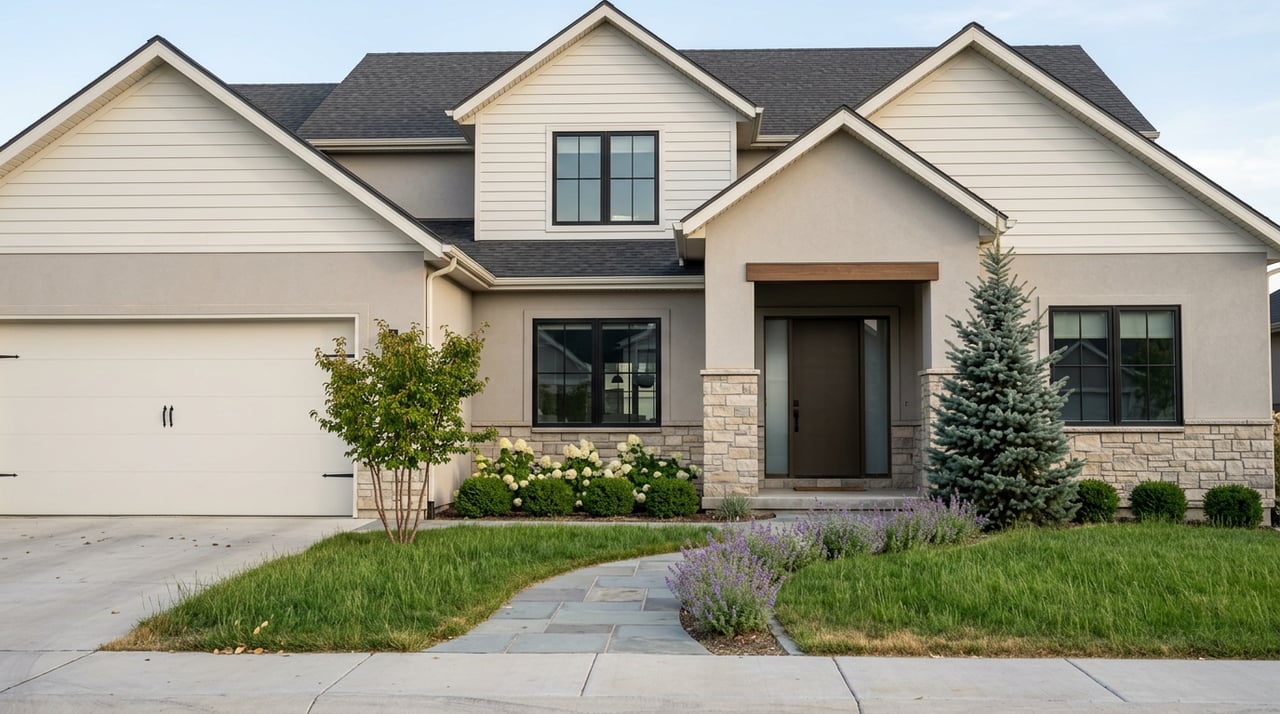
Move-up inventory in and around 80015 often stretches from the ZIP median into the low-to-mid $700Ks, especially for larger single-family homes. Upper-tier homes and newer construction in Centennial frequently price above $750k to $800k, consistent with citywide averages for detached properties. See Centennial’s housing context.
Neighborhood and amenity notes
- Neighborhood examples: Saddle Rock Ridge, Prides Crossing, Piney Creek, and Smoky Hill each reflect different eras, layouts, and price points. A current CMA will show how these micro-markets compare. Reference the DMAR zip report.
- Everyday access: proximity to C‑470, I‑25, and the DTC helps many buyers. Retail hubs like Southlands add convenience and lifestyle value.
- Schools: parts of 80015 are served by Cherry Creek School District. Always confirm school assignments directly with the district. View the district profile.
- ZIP overlap reminder: confirm whether a property is within Centennial or Aurora city services and verify tax districts before you write an offer. Check the 80015 ZIP boundary overview.
Condition and tradeoffs
Expect tradeoffs between finished square footage, lot size, and modern systems. Some upper-tier homes will be turnkey. Others may need targeted updates in kitchens, baths, roofing, or HVAC. Budget for inspections and a focused post-close project list so you can prioritize what adds the most daily value.
Costs, taxes, and required forms
- Seller costs: total seller closing costs (including commission) in the Denver metro often range from the mid-single digits to about 6–8% of the sale price, plus routine prorations and fees. Get a title company estimate before you finalize your budget. See Colorado cost context.
- Buyer costs: plan for typical buyer closing costs of roughly 2–5% of the purchase price, depending on loan type and points.
- Property taxes: Arapahoe County bills and collects property taxes. Mill levies vary by taxing district, so request your parcel’s current levy and confirm prorations at closing. Review Arapahoe County’s FAQ.
- Disclosures and timelines: Colorado standard forms cover property disclosures, HOA documents, and, when applicable, lead-based paint. Work with your agent to manage delivery deadlines and review periods. See an example forms library.
Your 12-week timeline
Sprint: weeks 0–2
- Meet with two lenders for pre-approval and to compare a HELOC vs. bridge loan. Read a bridge-loan explainer. Review HELOC basics.
- Order a CMA and identify 2–3 smart pre-list updates that improve marketability and net proceeds.
- Choose your move strategy: sell first, buy first with a bridge or HELOC, or use a sale contingency. Confirm your plan B.
Listing period: listing to offer
- If you plan a contingent purchase, list your current home right away and gather proof of market interest to strengthen your offer.
- If you will need a rent-back, get lender approval for post-closing occupancy before you write offers. See Fannie Mae occupancy guidance.
Contract to close: acceptance to keys
- Align both closings if possible. Coordinate payoff timing with the title company and your lender, especially if using a bridge or HELOC.
- Prepare for appraisal. If pricing is aggressive, decide in advance whether you will offer capped appraisal-gap coverage and confirm funds.
Sample schedule (10–12 weeks)
- Weeks 0–2: Pre-list prep, lender conversations, CMA, list your home.
- Weeks 3–6: Market your home, evaluate offers, write on target homes.
- Weeks 6–10: Inspections, appraisal, loan commitments, title coordination.
- Weeks 10–12: Close on the sale and purchase, or close purchase with a short rent-back to smooth your move.
Ready to move up with confidence?
When you are moving up, the details matter. A clear equity plan, the right financing tool, and strong contract strategy can make the difference between stress and a smooth transition. If you want high-touch guidance, market-tested pricing advice, and calm coordination from contract to keys, connect with Whitney Cain. You will get boutique service backed by a seasoned local team and the reach of a trusted luxury brand.
FAQs
Will a sale contingency work in 80015?
- It depends on the submarket. You can improve your odds by listing first, showing strong marketing activity, offering larger earnest money, and tightening timelines to match seller expectations.
Should I choose a HELOC or a bridge loan for my move-up?
- A HELOC is often lower cost and flexible but may need to be in place before you list; a bridge loan can let you buy first but usually carries higher rates and fees. Compare quotes and timing with two lenders.
How much equity will I net after selling my 80015 home?
- Start with a current CMA, subtract your mortgage payoff, then estimate 6–8% for total seller costs. Ask your title company for a detailed net sheet to validate the numbers.
How long can a seller rent back after closing in Colorado?
- Short rent-backs are common. Many owner-occupant loans expect you to move in within a short period, which is why 30–60 days is a typical range. Always confirm with your lender before you agree.
Do 80015’s boundaries affect my purchase plan?
- Yes. 80015 crosses municipal and taxing districts. Confirm city services, school assignments, and exact tax levies for each property before you write an offer.