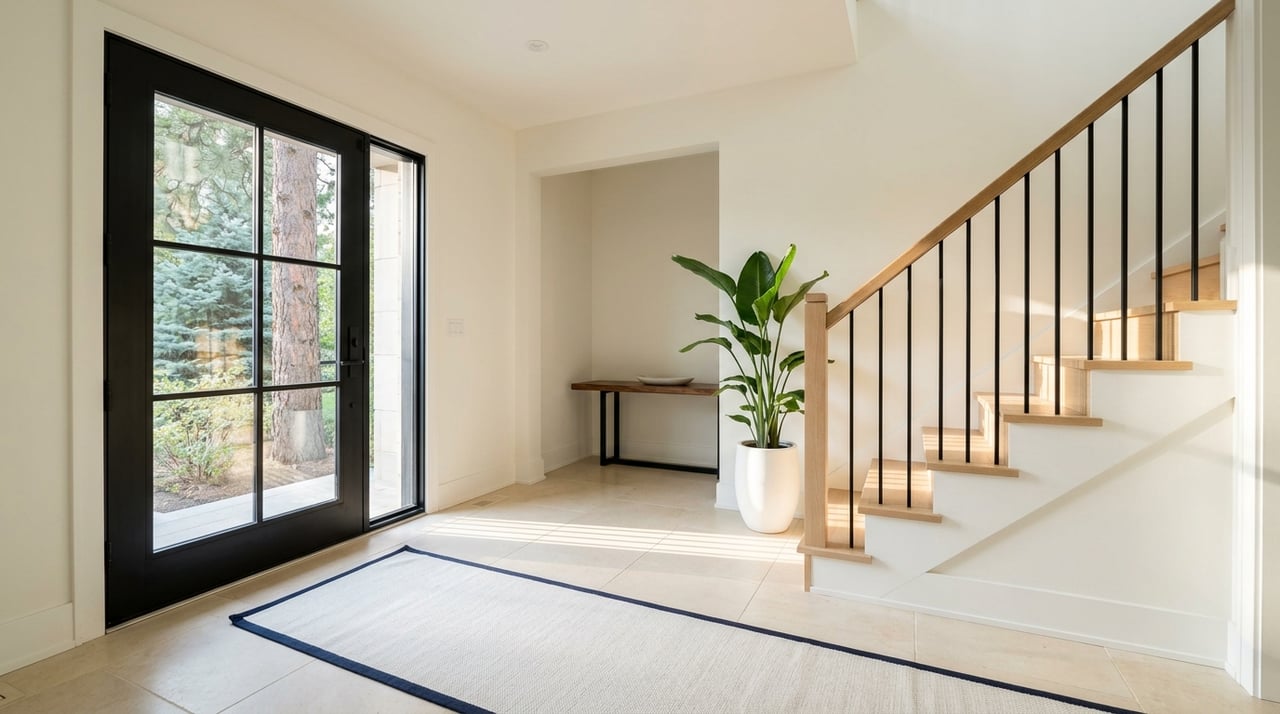
Greenwood Village vs Suburbs: Where to Buy Nearby
May 21, 2026
May 21, 2026
Trying to choose between Greenwood Village and the nearby south metro suburbs? It is a common question, especially if you want the right mix of commute ease, home style, outdoor access, and daily convenience. The good news is that each area offers something distinct, and once you know what matters most to you, the decision becomes much clearer. Let’s dive in.
Greenwood Village works well as a starting point because it blends residential neighborhoods, business access, trails, and everyday convenience in one central south metro location. The city sits just south of Denver and promotes access to shopping, dining, recreation, and transportation.
It also stands out for transit access. Greenwood Village has three light-rail stations, and RTD’s Orchard Station and Arapahoe at Village Center Station both serve the E and R lines. For buyers who want to stay connected to the Denver Tech Center, I-25, and regional destinations, that is a major advantage.
From a housing perspective, Greenwood Village is more varied than many people expect. The city’s long-term planning supports maintaining its single-family detached character, while apartments and condominiums are concentrated near the Denver Tech Center. That gives you a mix of mature single-family neighborhoods, custom-home pockets, and some condo options near employment and rail.
For many buyers, commute patterns quickly narrow the list. If your week depends on access to offices, highways, and rail, where you buy can shape your daily routine more than almost anything else.
Greenwood Village offers one of the strongest commute profiles in the south metro area. With light rail inside the city and quick access to I-25, it is especially appealing if you want options instead of relying on a single mode of travel.
This can be a strong fit if you want to live near the Denver Tech Center, reduce drive times, or keep both rail and road access on the table. In practical terms, Greenwood Village often feels like a balance point between suburban space and regional connectivity.
Lone Tree is a strong alternative if you want a more southward location but still care about transit. The city is served by I-25, C-470, and E-470, and both Lincoln Station and RidgeGate Parkway Station serve the E and R lines.
Lone Tree also offers Link on Demand service, which adds another transportation option beyond driving or rail. If your priority is a newer mixed-use environment with strong regional access, Lone Tree deserves a close look.
Centennial is larger and more road-oriented than Greenwood Village. I-25 is the only freeway within the city, while C-470 and E-470 sit just south, and major arterial roads carry much of the daily traffic flow.
That does not make Centennial less useful. It simply means your day-to-day movement may feel more spread out, depending on where you live and work. If you are comfortable with a larger suburban footprint, Centennial offers flexibility.
Highlands Ranch tends to be more road-and-neighborhood-network driven. Its infrastructure and community layout point to a lifestyle where driving plays a bigger role in daily movement.
That can work very well if you want a master-planned suburban setting and do not need rail to be part of your routine. Buyers who prioritize neighborhood continuity, trails, and a planned-community feel often find Highlands Ranch appealing.
Englewood offers a different commute story than most south metro suburbs. The city describes itself as a transportation hub with two light-rail stops, bus service, strong roadway access, and the Englewood Trolley connecting key districts.
If you want more urban mobility and the ability to move around without centering everything on one interstate corridor, Englewood may feel more practical than Greenwood Village. It is a distinct option for buyers who value connected city-style movement.
Cherry Hills Village is the least dense option in this group, and its overall land-use direction emphasizes a serene, low-density residential environment. As a result, the lifestyle here leans much more toward driving than rail-adjacent convenience.
If privacy, space, and a quieter setting lead your list, that may be exactly what you want. But if transit access is central to your decision, Greenwood Village or Lone Tree will likely align better.
Beyond commute, the next big question is how you want your home and surroundings to feel. South metro suburbs can look close on a map, but the housing experience can be very different from one city to the next.
Greenwood Village is a hybrid market. You will find mature neighborhoods, custom-home settings, and some condo and apartment options closer to the Denver Tech Center.
That combination gives the city broad appeal. It can work well if you want an established residential setting without giving up access to more connected, lower-maintenance housing options.
Cherry Hills Village is the clearest choice if you want large lots and a semi-rural feel. City planning documents define low-density residential land as single-family homes on parcels of one acre or larger.
Compared with Greenwood Village, the housing pattern here is more private and less compact. If your ideal home includes space, setbacks, and a quieter streetscape, Cherry Hills Village stands apart.
Centennial offers one of the broadest housing mixes in the group. Different parts of the city include primarily detached homes, attached housing, and some mixed-use residential areas.
The city is also adding accessory dwelling units and other housing options. If you want flexibility in product type and neighborhood context, Centennial gives you more range than Greenwood Village or Cherry Hills Village.
Highlands Ranch is a classic master-planned suburban community. Its housing story is tied closely to neighborhood design, parks, trails, and a large planned framework.
If you like the idea of organized neighborhood layouts and a strong suburban identity, Highlands Ranch can be a natural fit. It tends to appeal to buyers who want consistency and a community-wide plan rather than a mix of older and newer housing pockets.
Lone Tree has one of the newest housing profiles in the area. Its growth areas include light-rail stations, retail, office space, and multiple residential villages, with a mix of multifamily and townhome development.
That makes Lone Tree attractive if you want newer construction or a more mixed-use environment. It often feels more recently built and more growth-oriented than Greenwood Village.
Englewood reads as the most urban housing environment in this comparison. Its mixed-use transit-oriented districts and walkable downtown setting point toward smaller-lot, older, or infill-style housing patterns.
If you prefer an urban feel over an estate-style or classic suburban setting, Englewood offers a very different experience. It is less about large detached-home identity and more about close-in convenience.
Outdoor access matters more than many buyers expect. Whether you walk daily, bike on weekends, or simply want nearby green space, each suburb offers a different type of connection to the outdoors.
Greenwood Village has a strong open-space system for its size. The city maintains more than 440 acres of parks, trails, and open spaces, along with about 40 miles of trails.
The High Line Canal Trail and Cherry Creek Trail both shape the local experience, and parks like Westlands Park, Silo Park, and the Marjorie Perry Nature Preserve add variety. If you want outdoor access without moving to a more spread-out suburb, Greenwood Village offers a compelling middle ground.
Centennial has the largest overall park-and-trail inventory in this comparison. The city offers more than 100 parks, 100 miles of trails, and more than 4,000 acres of open space through partnerships.
If outdoor variety is high on your list, Centennial deserves serious attention. It can be especially appealing if you want a large regional system with many ways to access it.
Highlands Ranch is the biggest trail suburb in the group, with 2,644 acres of open space and more than 70 miles of trail. The community also notes that more than 4,700 homes back to open space.
That matters if you want trails integrated into everyday neighborhood life. Rather than driving to outdoor amenities, you may find them woven into your immediate surroundings.
Cherry Hills Village maintains more than 25 miles of trails and 50 acres of parkland and right-of-way improvements. The High Line Canal is a defining part of that outdoor identity.
If you want a lower-density setting with meaningful trail access, Cherry Hills Village offers an unusual combination. It feels private, but it is still connected through a strong trail system.
Lone Tree’s trail system is smaller than Centennial’s or Highlands Ranch’s, but it is well connected. Its parks and open space tie closely to the city’s mixed-use growth areas and regional trails.
Englewood offers a more compact, urban park experience with more than 244 acres of developed parkland. If you want green space in a city-like setting, Englewood may fit better than a more open suburban landscape.
Where will you run errands, meet friends, and fit life in between work and home? This is often where buyer preferences become very personal.
Greenwood Village is especially strong if you want daily convenience while keeping a residential feel. The city points to shopping, working, dining, and recreation, with destinations that include part of the Denver Tech Center, Greenwood Plaza, and the Village Center.
This is one of the clearest options if you want to live close to offices, restaurants, and services without moving into a more urban district. That balance is part of what keeps Greenwood Village so competitive.
Lone Tree is a strong match for buyers who want a major retail anchor. The city describes Park Meadows as Colorado’s largest mall, with more than 185 stores and restaurants.
If you want newer mixed-use energy and a strong shopping hub, Lone Tree may feel more complete than Greenwood Village. It offers a more retail-centered lifestyle experience.
Centennial works well if you prefer several lifestyle and errand hubs instead of one central core. Places like Streets at SouthGlenn and Midtown Centennial create different pockets of activity across the city.
The tradeoff is scale. You may get more variety, but it is spread across a larger footprint than Greenwood Village.
Englewood concentrates convenience into a walkable downtown and civic district. Its downtown includes restaurants, boutiques, entertainment, and essential businesses.
If you want an everyday rhythm built around a main street setting, Englewood stands out. It offers a more urban, walkable convenience pattern than most nearby suburbs.
If you are still deciding, start with the one factor that will shape your day most. Usually that is commute, housing style, or the kind of neighborhood setting you want.
A simple way to think about it is this:
The best choice is not the suburb with the longest list of features. It is the one that fits the way you actually want to live.
If you are weighing Greenwood Village against nearby suburbs and want tailored guidance on lifestyle fit, housing options, and market strategy, Whitney Cain can help you compare your options with a local, high-touch approach.
Stay up to date on the latest real estate trends.
Etiam non quam lacus suspendisse faucibus interdum. Orci ac auctor augue mauris augue neque. Bibendum at varius vel pharetra. Viverra orci sagittis eu volutpat.